
Building Climate-Resilient Water Utilities in Zambia Project
Disclosure of Environmental and Social Safeguard Instruments (ESSI)
30/03/2026
Executive Summary
The Building Climate-Resilient Water Utilities in Zambia Project is a USD 8.6 million initiative being implemented by Nkana Water Supply and Sanitation Company (NWSC), in partnership with Mulonga, Lukanga, and Southern Water Supply and Sanitation Companies. The project is financed by the African Development Bank, Vitens Evides International BV, and the Government of Zambia. It is designed to strengthen climate resilience, improve water security, and enhance the operational sustainability of water utilities serving over 3 million people across the Kafue River catchment.
The project responds to increasing climate variability, catchment degradation, and declining raw water quality, which have placed significant pressure on water supply systems. It adopts an integrated approach combining data-driven planning, nature-based solutions, resilient infrastructure investments, and institutional strengthening to ensure sustainable and reliable water service delivery.
Component 1: Strengthening Knowledge and Understanding of the Catchment
This component focuses on addressing critical data gaps that constrain effective water resource management. It includes hydrogeological investigations to identify sustainable groundwater sources and the establishment of real-time water quality and quantity monitoring systems. These interventions will enhance evidence-based decision-making, improve drought preparedness, and support early detection of pollution and over-abstraction risks.
Component 2: Building Water Catchment Resilience to Improve Water Security
This component promotes the restoration and protection of the Kafue catchment through nature-based solutions such as reforestation, check dams, and gabion structures. It also supports community-based livelihood initiatives and capacity building, particularly for youth and women, to strengthen local stewardship of natural resources. In addition, groundwater development will diversify water sources and reduce reliance on climate-sensitive surface water, thereby improving system reliability.
Component 3: Climate-Resilient Water Supply and Sanitation Infrastructure
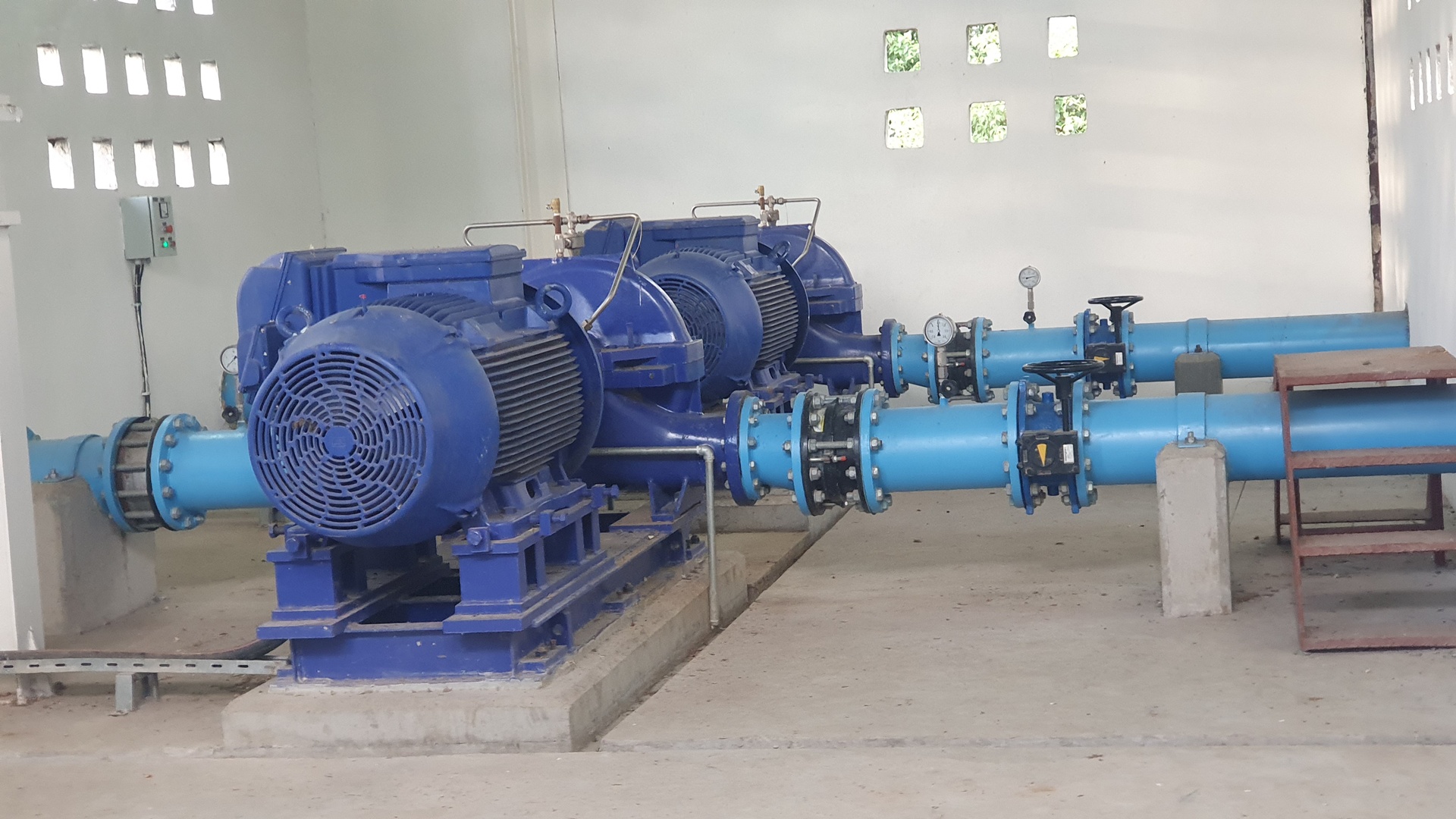
This component targets critical infrastructure upgrades to enhance service continuity and public health protection. Key interventions include rehabilitation of water abstraction points to address sedimentation and installation of solar-powered onsite chlorine generation systems at selected treatment plants. These measures will improve water quality, reduce operational costs, and ensure uninterrupted service delivery during extreme weather events.
Component 4: Building Resilient Institutions and Project Management
This component strengthens governance, institutional capacity, and coordination mechanisms to ensure sustainable project outcomes. It includes the development of water safety plans, the establishment of multi-stakeholder platforms for catchment management, and the promotion of knowledge sharing across the sector. Robust project management systems will ensure effective implementation, compliance with safeguards, and accountability.
Overall, the project will deliver improved water security, enhanced resilience to climate shocks, reduced operational costs, and better public health outcomes. By integrating ecosystem restoration, infrastructure investment, and institutional strengthening, the initiative provides a scalable model for climate-resilient water utility management in Zambia and the wider region. Herewith, this summary are the environmental and social safeguard instruments.