MINISTERIAL STATEMENT ON THE ACHIEVEMENTS OF THE MINISTRY OF WATER DEVELOPMENT AND SANITATION 2021-2026 FOR USE IN PARLIAMENT BY THE HON. MINISTER OF WATER DEVELOPMENT AND SANITATION HON. ENG. COLLINS NZOVU, MP MAY, 2026 Lusaka Zambia
Republic of Zambia
Ministry of Water Development and Sanitation
MINISTERIAL STATEMENT
ON THE
ACHIEVEMENTS OF THE
MINISTRY OF WATER DEVELOPMENT AND SANITATION
2021-2026
FOR USE IN PARLIAMENT
BY THE
HON. MINISTER OF WATER DEVELOPMENT AND SANITATION
HON. ENG. COLLINS NZOVU, MP
MAY, 2026
Lusaka Zambia
INTRODUCTION
Madam Speaker,
Thank you for granting me this opportunity to update this August House on the achievements of the New Dawn Government in the Water Development and Sanitation sector during the period 2021 to 2026. These are not just promises on paper, but real projects, some already completed and others still ongoing, with communities changing for the better, and lives improving. They show that when policies are put into action, real results can be achieved, and this is being done under the bold and visionary leadership of the President of the Republic of Zambia, Mr. Hakainde Hichilema and this progressive Government. Water security is not only a development priority but also a national strategic imperative, essential for safeguarding livelihoods, promoting public health, and driving inclusive economic growth.
Madam Speaker,
This House may wish to note that Government has placed the water sector at the centre of national development, recognising its critical role as a key economic enabler supporting agriculture, energy production, mining, and industrialisation. Government has therefore prioritised investments to enhance water availability, improve infrastructure, and strengthen institutional capacity, ensuring that water contributes meaningfully to national development and poverty reduction.
POLICY, LEGAL AND INSTITUTIONAL REFORMS
Madam Speaker,
Government has undertaken significant reforms to strengthen the policy and legal framework governing the sector. These reforms are aimed at improving governance, enhancing sustainability, and creating an enabling environment for investment. They also seek to address longstanding challenges that have affected service delivery. In this regard, I will now highlight the key policy and legal frameworks guiding the sector.
- 2024 National Water Policy
The policy emphasises equitable access, climate resilience, and efficient utilisation of water across all sectors of the economy, while strengthening institutional coordination. It addresses gaps in water resources development, financing, capacity building, research and development, climate change, measures related to environmental flows, water resources management, and the development of transboundary waters. Currently under implementation, the policy is expected to guide investment and policy decisions towards achieving universal access.
- Review of the Water Resources Management Act
Madam Speaker,
Government, has progressed the review of the Water Resources Management Act No. 21 of 2011 to improve regulatory efficiency and responsiveness. The review has been necessitated by the need to address emerging gaps in water use mechanisms, respond to environmental challenges, ensure alignment with regional and international water frameworks, and strengthen the existing legislation. It aims to streamline water permitting processes, strengthen enforcement mechanisms, and enhance stakeholder participation, while addressing challenges such as climate change and competing water demands. This reform will ensure that water resources are managed sustainably and equitably.
- Water Supply and Sanitation Services Bill
Madam Speaker,
On 4th May, 2026, the Water Supply and Sanitation Services Bill underwent the Third Reading in Parliament, marking a critical milestone in sector reform. The Bill seeks to strengthen the legal framework governing service provision and improve the regulation of Commercial Utilities. It also aims to enhance accountability and ensure better service delivery outcomes for citizens. Once enacted, the Bill will significantly strengthen the sector’s institutional framework.
- Strategic Frameworks and Sector Initiatives
The Ministry has developed and launched several strategic frameworks, including the Zambia Water Investment Plan and Consolidated Resource Mobilisation Strategy and Implementation Roadmap for the Zambia National Adaptation Plan (NAP) and Water Investment Programme; the National Non-Revenue Water Management Strategy; the Magoye Restoration and Protection; the Rainwater Harvesting Strategy; WASH Equity and Inclusion Guideline and the National Hand Hygiene for all Roadmap. Collectively, these strategies promote sustainable water management and strengthen service delivery
WATER RESOURCES DEVELOPMENT AND CLIMATE RESILIENCE
Madam Speaker,
I wish to inform this House that Government has significantly scaled up investments in water resources development to enhance national water security and resilience to climate shocks. These interventions are critical for ensuring sustainable water supply for both domestic and productive uses, especially in light of increasing droughts and variability in rainfall patterns. The focus has been on expanding water storage capacity, improving groundwater utilisation, and strengthening early warning systems to support effective planning and response.
Dam Construction and Strategic Water Infrastructure
Government has constructed 10 dams across the country to strengthen national water storage capacity and resilience to drought. These dams are supporting irrigation, livestock, and domestic water supply, thereby enhancing food security and economic productivity. In addition, 15 dams have been rehabilitated Whilst 848 dams have been maintained across the country to ensure continued functionality.
Speaker,
You may also wish to note that, Government is implementing the 60 dam’s project nationwide to improve water security, rainwater harvesting, drought resilience, and food security. It is a three-year initiative with an estimated cost of about K5 billion. The project prioritises drought-prone provinces such as Southern, Lusaka, Eastern, Central and Western. So far, construction of 9 dams in Eastern and Southern Provinces have since commenced.
Groundwater Development and Exploration
Government has drilled 679 exploratory boreholes across the country to identify sustainable groundwater sources in underserved and water-scarce areas. This initiative supports long-term planning by improving the understanding and availability of groundwater resources, while reducing dependence on unreliable surface water sources. It also strengthens resilience to climate variability and drought conditions, reaffirming Government’s strategic commitment to groundwater development as a key pillar of national water security.
Drought Response and Emergency Interventions
Madam Speaker,
During the 2023/2024 season, Government implemented targeted interventions across the drought prone areas, including the drilling of over 421 boreholes, rehabilitation of 270 non-functional boreholes in drought affected districts and the maintenance of 718 dams. Additional measures included the construction of 45 sanitation facilities, the installation of 55 standby water pumping systems for Commercial Utilities. These interventions ensured continued access to water during periods of severe stress. They also demonstrate Government’s commitment to protecting livelihoods and ensuring national resilience.
WATER SUPPLY AND SANITATION
Madam Speaker,
Government has made substantial progress in expanding access to clean and safe water across both rural and urban areas. These investments are improving living standards, reducing disease burden, and supporting economic activities. The focus has been on scaling up infrastructure development while ensuring sustainability and efficiency. This has resulted in significant improvements in service coverage nationwide.
Major Urban Water Supply Projects
Madam Speaker,
Government has successfully implemented a number of flagship water supply and sanitation investments aimed at improving service delivery, supporting urban growth, and strengthening economic resilience. These include the Kafulafuta Water Supply System (USD 449 million), which is benefiting over 1 million individuals in Ndola, Masaiti and Mpongwe Districts. Further, the implementation of the Kafue Bulk Water Supply Project (USD 150 million), which is supplying water to over 480,000 residents in Lusaka and supporting ongoing urban expansion and economic activity. In addition, the (USD 199 million) Nkana Water Supply and Sanitation Project Phase II, is expected to be completed this year, and includes the upgrading of critical infrastructure in Kitwe and surrounding areas, thereby improving both water supply and sanitation services for 850, 000 beneficiaries.
Further, Madam Speaker, Government is also implementing the Improving Access and Strengthening Innovations for Water and Sanitation Project in Kabwe and Bauleni, which is enhancing service delivery in these fast-growing urban and peri-urban areas through targeted infrastructure upgrades, system improvements, and innovative service delivery approaches. The project will benefit over 460,000 people.
Regional and Town Water Supply Projects
Madam Speaker,
Under the New Dawn Government, the Ministry has completed and commissioned multiple projects, including the Kazungula Water Supply Project, as well as projects in Chinsali, Kaputa, Mporokoso, Mufumbwe, Solwezi, and Shibuyunji which are delivering improved water services to over 20, 000 individuals in various communities in different parts of the country. In addition, the USD 150 million Integrated Small Towns Water Supply Programme has reached completion and is awaiting full commissioning, after which it is expected to benefit over 900,000 people across Western, Luapula and Northern Provinces as well as parts of Muchinga Province.
Madam Speaker,
The implementation of the USD 38 millionTransforming Rural Livelihoods Project in Western Province is enhancing water access while supporting climate-resilient livelihoods in 16 districts to benefit over 700, 000 people. Collectively, these interventions are expanding access to clean and safe water, stimulating local economic activity, and reinforcing Government’s commitment to inclusive and balanced regional development.
Major Rural Water Supply Projects
Under the Rural Water Supply and Sanitation Programme, Madam Speaker, the Ministry in collaboration with the Local Authorities and Cooperating Partners has completed and commissioned the following water supply and sanitation projects:
- The construction of 8,622 new boreholes, benefitting over two point one million (2,155,500) individuals across the ten (10) Provinces;
- The rehabilitation of 8,285 existing boreholes, which now serve approximately over two million (2,071,250) individuals across the country; and
- The construction of 1,469 piped water schemes extending access to clean and safe water to an additional 734,500 individuals across the country.
These initiatives have significantly enhanced the well-being of communities by addressing water scarcity, improving health outcomes and fostering economic growth.
In response to the presidential directive that all public institutions and health centres must have waterborne sanitation facilities, the Ministry, with support from partners, constructed a total of 923 waterborne sanitation facilities in public institutions such as markets, schools and bus stations to safeguard public health. Currently, the construction of 144 sanitation facilities is ongoing with progress ranging from 25% to 90%.
Zambia Water Supply and sanitation project (ZWSP)
Madam Speaker,
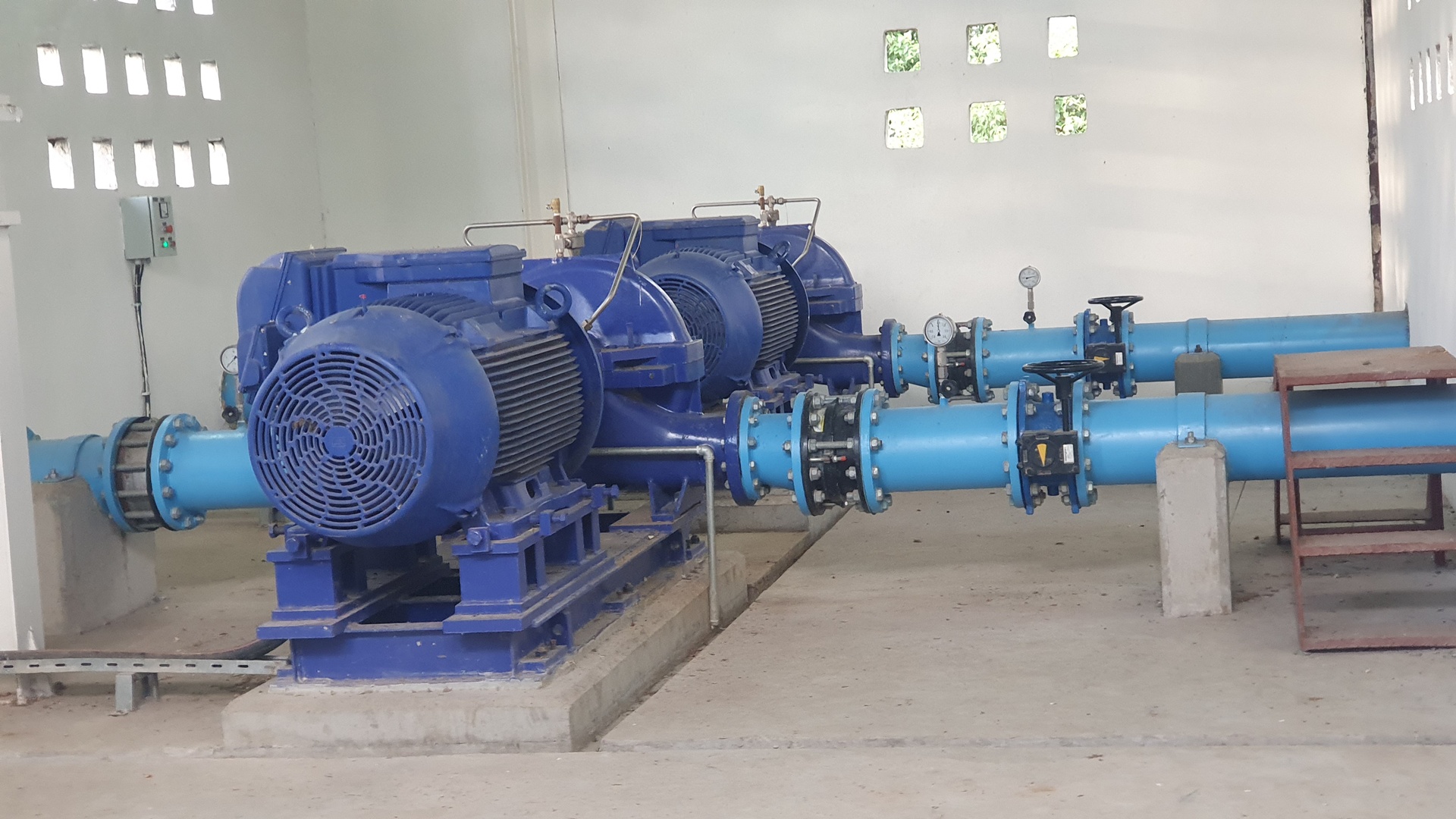
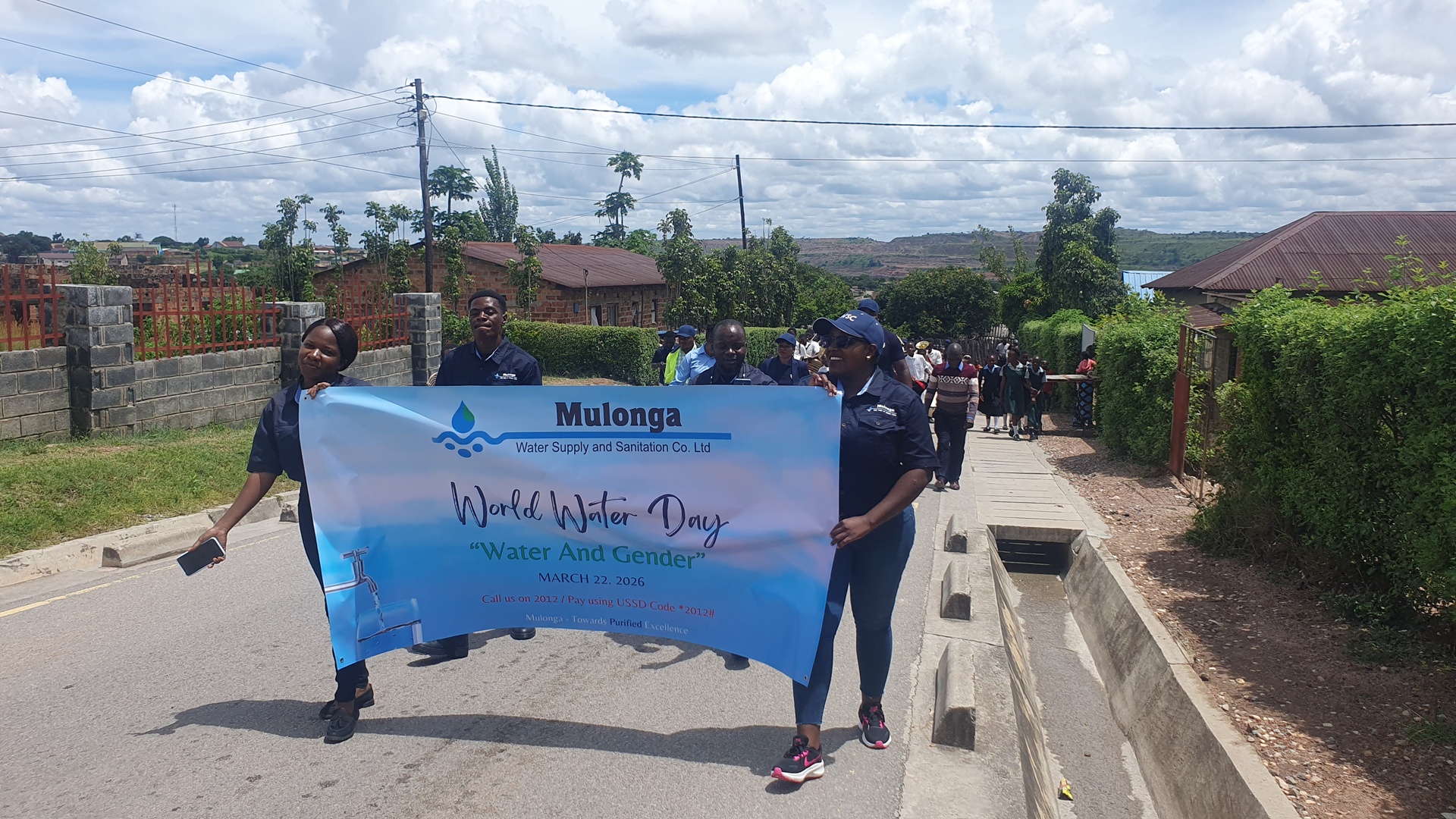
I am pleased to report that the Zambia Water and Sanitation Project, a transformative initiative being implemented by Mulonga Water Supply and Sanitation Company, at a total financing of Euro 156 million is currently at 90% overall progress. Once completed, this year, the project will improve water supply and sanitation services for over 500,000 people in Chingola, Mufulira, and Chililabombwe Districts through rehabilitation and expansion of key water supply and sanitation infrastructure, reduction of non-revenue water (NRW), and implementation of water supply and sanitation improvement programmes in peri-urban areas.
Emergency and Peri-Urban Interventions
Madam Speaker,
Government implemented emergency water supply projects in Ndola, Kitwe (Kwacha), and Lusaka (Munali Constituency) to address immediate service gaps. In addition, emergency works in peri-urban areas of Lusaka have benefited approximately 95,000 people. These interventions targeted vulnerable communities with limited access to safe water. They highlight Government’s responsiveness to urgent needs.
Update on the 300 Solar-Piped Water Schemes Initiative
Madam Speaker,
You may recall that, through your office, my Ministry requested Honourable Members of Parliament to submit possible sites for the construction of 300 piped water schemes across the ten (10) provinces.
Allow me to provide this August with an update on this important initiative. Initially, the project was intended to cover all ten provinces, as communicated in the request to this House. However, following a review of priorities, the scope of the project was scaled down to focus on the five provinces most severely affected by the drought, namely Lusaka, Central, Eastern, Southern, and Western Provinces.
Following this adjustment, a Chinese team of technical experts visited the country on 17th December 2025 to undertake feasibility studies on the proposed sites. As a result of these studies, sixty-six (66) sites were identified for Phase I implementation out of the proposed 300 sites. The distribution of the selected sites is as follows: Lusaka Province – 16 sites, Central Province – 14 sites, Southern Province – 12 sites, Eastern Province – 12 sites, and Western Province – 12 sites.
Madam Speaker,
The Chinese technical team has since completed the detailed technical designs to facilitate the commencement of construction works at the earliest possible opportunity. My Ministry is currently engaging the Government of the People’s Republic of China to finalize the necessary internal clearance processes and agree on a clear roadmap for implementation in order to commence Phase I of the project. Government remains fully committed to ensuring the successful implementation of this project, which is expected to enhance access to safe and reliable water supply services, particularly in drought-affected communities.
ECONOMIC IMPACT AND STRATEGIC VALUE
Madam Speaker,
The investments made in the water sector have had significant economic and social benefits. Improved water access has reduced the incidence of waterborne diseases, thereby lowering healthcare costs and improving productivity. It has also supported agricultural production, contributing to food security and rural incomes. Furthermore, reliable water supply has enhanced industrial efficiency and investment attractiveness.
Madam Speaker,
Water infrastructure development has also created employment opportunities across the country. From construction to operation and maintenance, these projects have generated jobs and stimulated local economies. In addition, improved access has reduced the time spent fetching water, particularly for women and children, allowing them to engage in productive activities. This demonstrates the broader socio-economic impact of water sector investments.
Collectively, these projects are critical enablers of Zambia’s industrialisation agenda and urban development trajectory, while also strengthening resilience in water service provision across key growth centres.
KEY CHALLENGES
Madam Speaker,
Despite the progress made, the sector continues to face several challenges that require sustained attention. These challenges have implications for service delivery, financial sustainability, and infrastructure development.
The challenges include vandalism of infrastructure, which disrupts service delivery and increases maintenance costs. Ageing infrastructure also poses risks to reliability and efficiency, requiring significant investment for rehabilitation and upgrading. In addition, exchange rate volatility has increased the cost of critical inputs such as water treatment chemicals.
Furthermore, limited funding continue to affect project implementation timelines. Climate-related shocks such as droughts have also necessitated the reprioritisation of resources and interventions. Government is actively addressing these issues through improved planning, increased investment, and enhanced coordination.
A key challenge is low water tariffs, which in many cases remain below the cost of service provision. This limits cost recovery, constrains investment in infrastructure, and increases reliance on subsidies. As a result, utilities struggle to expand and maintain systems to meet growing demand.
Another major challenge is pollution of water bodies, which increases the cost of treating raw water to safe drinking standards. Contaminated sources require more advanced treatment processes, higher chemical use, and increased operational expenditure, further straining already limited utility revenues.
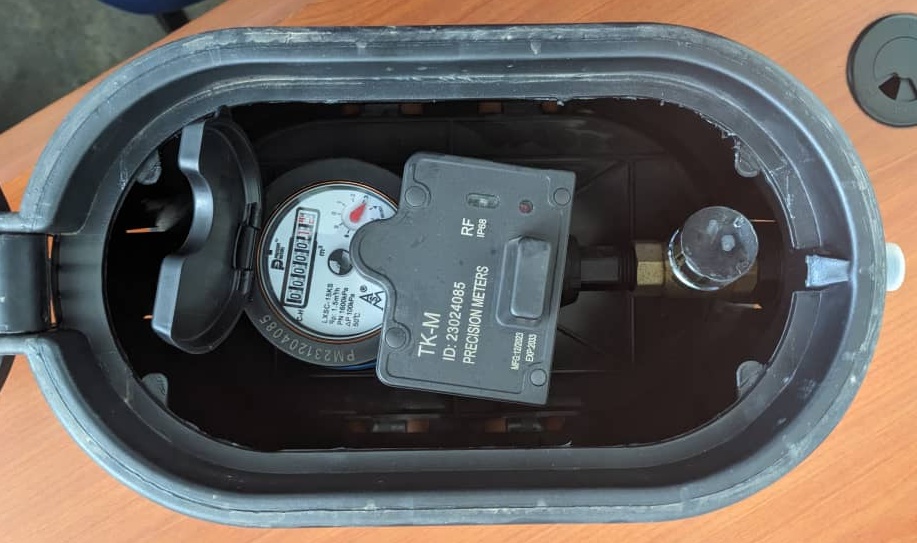
In addition, the sector is affected by high levels of Non-Revenue Water (NRW) that is produced but not billed due to leakages, illegal connections, and metering inaccuracies. In Zambia, Non-Revenue Water levels have been reported to be as high as 40 to 60% in some utilities, far above the acceptable benchmark of about 25 percent, resulting in significant financial losses and reduced service efficiency.
Madam Speaker,
Rapid urbanisation is placing significant strain on existing water supply and sanitation infrastructure. The growing concentration of people in urban areas is increasing demand for services at a pace that often exceeds the expansion and upgrading of systems. As a result, Utilities face pressure on already limited water production capacity, ageing distribution networks, and insufficient sanitation facilities. This rapid growth also leads to the expansion of informal settlements, which are often not adequately serviced, further widening the service gap. Consequently, utilities are challenged to maintain service quality, extend coverage, and ensure reliable access to safe water and adequate sanitation for all urban residents.
MEASURES TO ADDRESS KEY CHALLENGES
Madam Speaker,
Government is fully cognisant of the challenges affecting the water sector and has taken deliberate, targeted, and systemic measures to address them. These interventions are aimed at strengthening resilience, improving efficiency, and ensuring the sustainability of water and sanitation services across the country. The approach being taken is both corrective and forward-looking, focusing on institutional reforms, infrastructure investment, and financial sustainability such as;
- Targeted measures to address key sector challenges. These include strengthening collaboration with local authorities, law enforcement, and communities to curb vandalism and promote infrastructure protection through increased awareness and community ownership. Rehabilitation and modernisation programmes are also being undertaken to upgrade ageing infrastructure, improve efficiency, and enhance reliability of water supply.
- At the same time, efforts are being made to improve budget credibility and ensure timely funding through stronger engagement with the Ministry of Finance, better planning, and the use of alternative financing mechanisms. Government is also strengthening climate resilience and drought preparedness by investing in water harvesting infrastructure, early warning systems, and climate-resilient technologies.
- In addition, reforms are being implemented to enhance the financial sustainability of Commercial Utilities through improved operational performance, reduction of non-revenue water, strengthened governance, and the possibility of transitioning to cost-reflective tariffs under the Water Supply and Sanitation Bill, 2026, recently passed by this House. Government has also come up with a strategy to dismantle legacy arrears owed by Government institutions to Water Utility Companies under the Revised Dismantling of Domestic Arrears Strategy (2024-2029). Collectively, these measures are aimed at safeguarding investments and ensuring sustainable and reliable service delivery.
Madam Speaker,
Furthermore, improved coordination with cooperating partners, enhanced project preparation, and strengthened monitoring systems have contributed to greater efficiency in project execution. Government has also prioritised climate-resilient infrastructure, ensuring that new investments are sustainable and responsive to emerging challenges such as drought and population growth. These reforms are not only improving current service delivery but are also laying a strong foundation for long-term sector stability.
These actions demonstrate Government’s commitment to safeguarding strategic investments, ensuring value for money, and accelerating progress towards universal access to water and sanitation for all Zambians.
CONCLUSION
Madam Speaker,
In conclusion, the period 2021 to 2026 has been marked by significant progress in the sector, driven by strong political will and strategic investments by the New Dawn Government. The achievements recorded demonstrate Government’s commitment to improving water security, expanding access, and enhancing service delivery. These efforts are contributing to national development and improving the quality of life for citizens.
Government remains resolute in its commitment to building a resilient and sustainable water sector. Moving forward, we will continue to scale up investments, strengthen governance frameworks, and enhance efficiency in service delivery. Our goal is to ensure that every Zambian has access to clean and safe water and adequate sanitation.
Madam Speaker, I thank you.